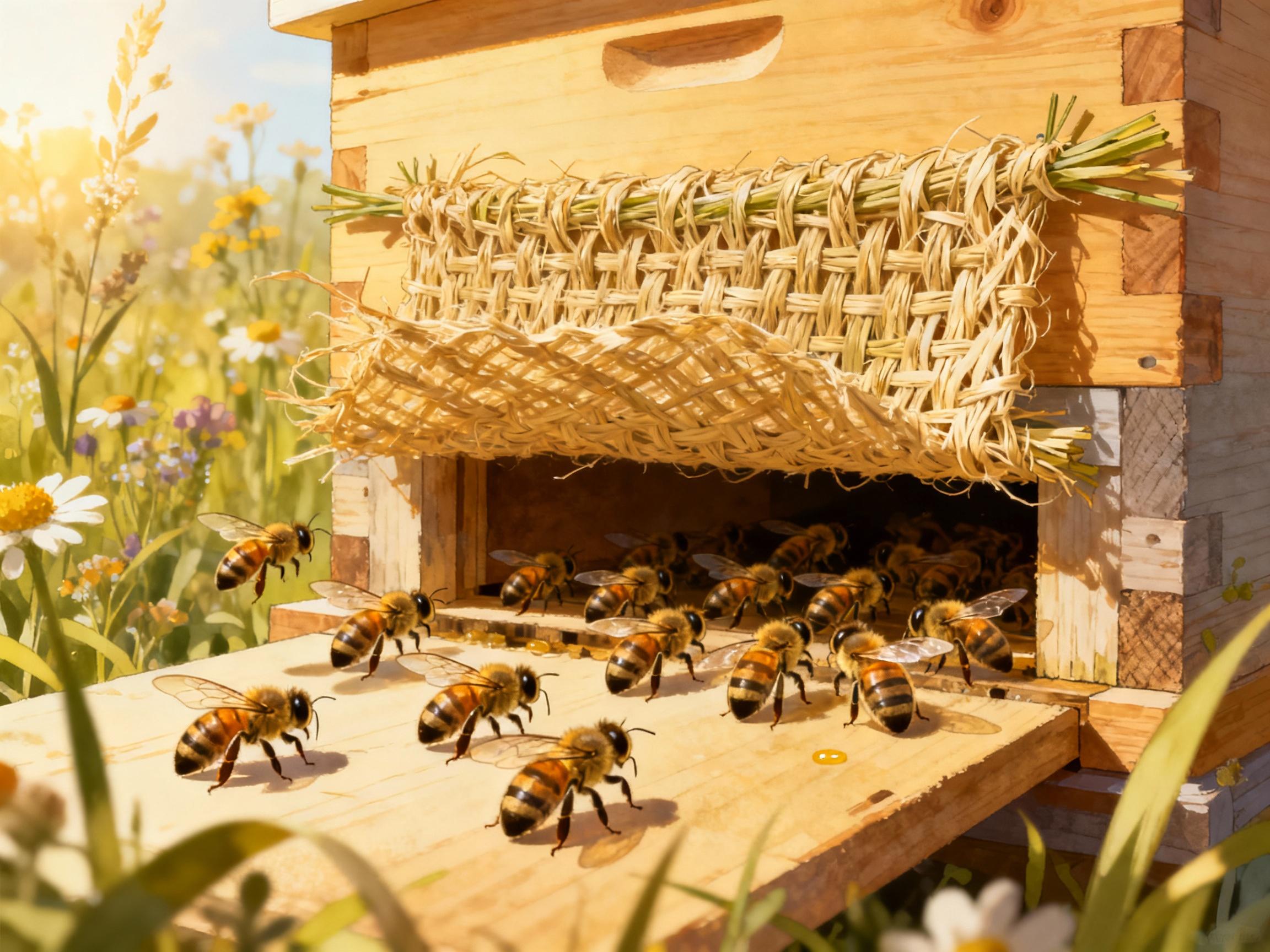
Automated Hive Ventilation Systems
The Critical Role of Ventilation in Beehive Health
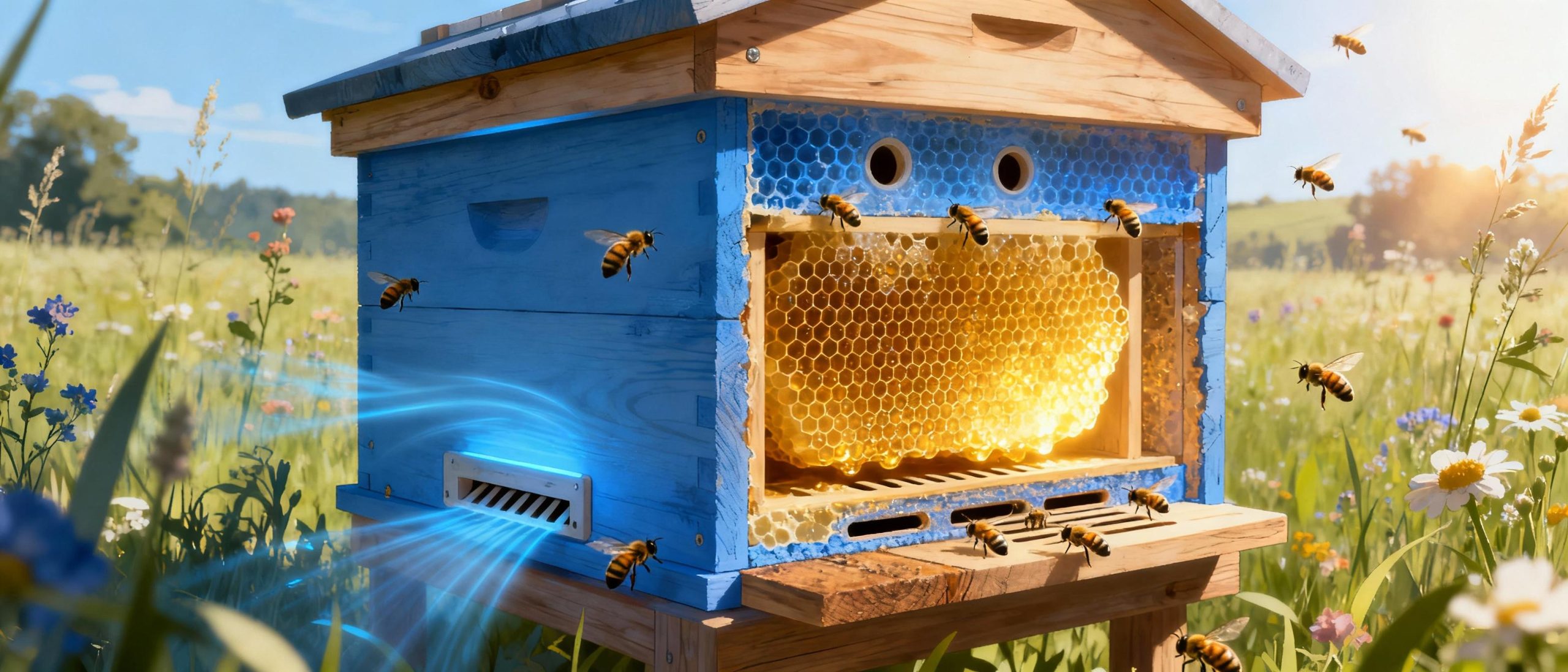
Effective hive ventilation is a cornerstone of successful beekeeping. Bees naturally regulate their hive’s microclimate by fanning wings, clustering, or adjusting propolis seals. However, extreme weather, overcrowding, or poor hive design can disrupt this balance. Excessive heat causes bees to divert energy from honey production to cooling efforts, while humidity buildup fosters mold growth and worsens pathogens like chalkbrood. Traditional methods like manually adjusting entrance reducers offer limited control, especially in rapidly changing conditions. This vulnerability underscores why modern beekeepers are turning to automated systems—technology that mimics nature’s precision while compensating for environmental unpredictability.
How Automated Ventilation Systems Work: Sensors and Algorithms
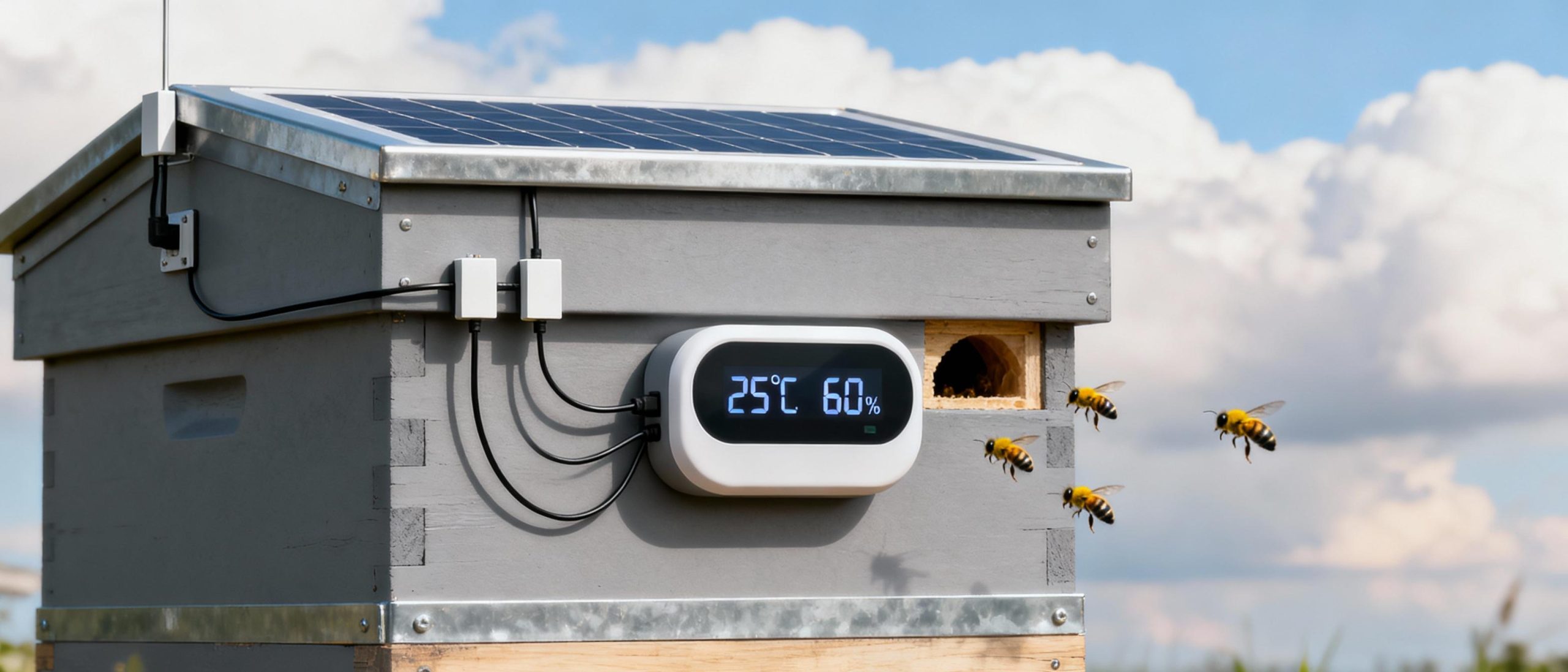
Automated systems rely on networked sensors placed strategically within hive chambers. Temperature probes track heat from bee metabolism and external weather, while humidity sensors monitor dew point risks. Advanced units may measure CO2 levels—a sign of poor air exchange. This data feeds into microprocessors running machine learning models trained on apiary research. For instance, if temperatures exceed 95°F (35°C), the system might activate filtered exhaust fans or open upper ventilation flaps. Algorithms account for seasonal behaviors: winter clusters receive gentle air circulation to prevent moisture without chilling bees, while summer protocols prioritize aggressive cooling during nectar flows. These decisions happen autonomously, syncing with weather APIs to preempt storms or heatwaves.
Core Components: From Fan Arrays to Smartphone Integration
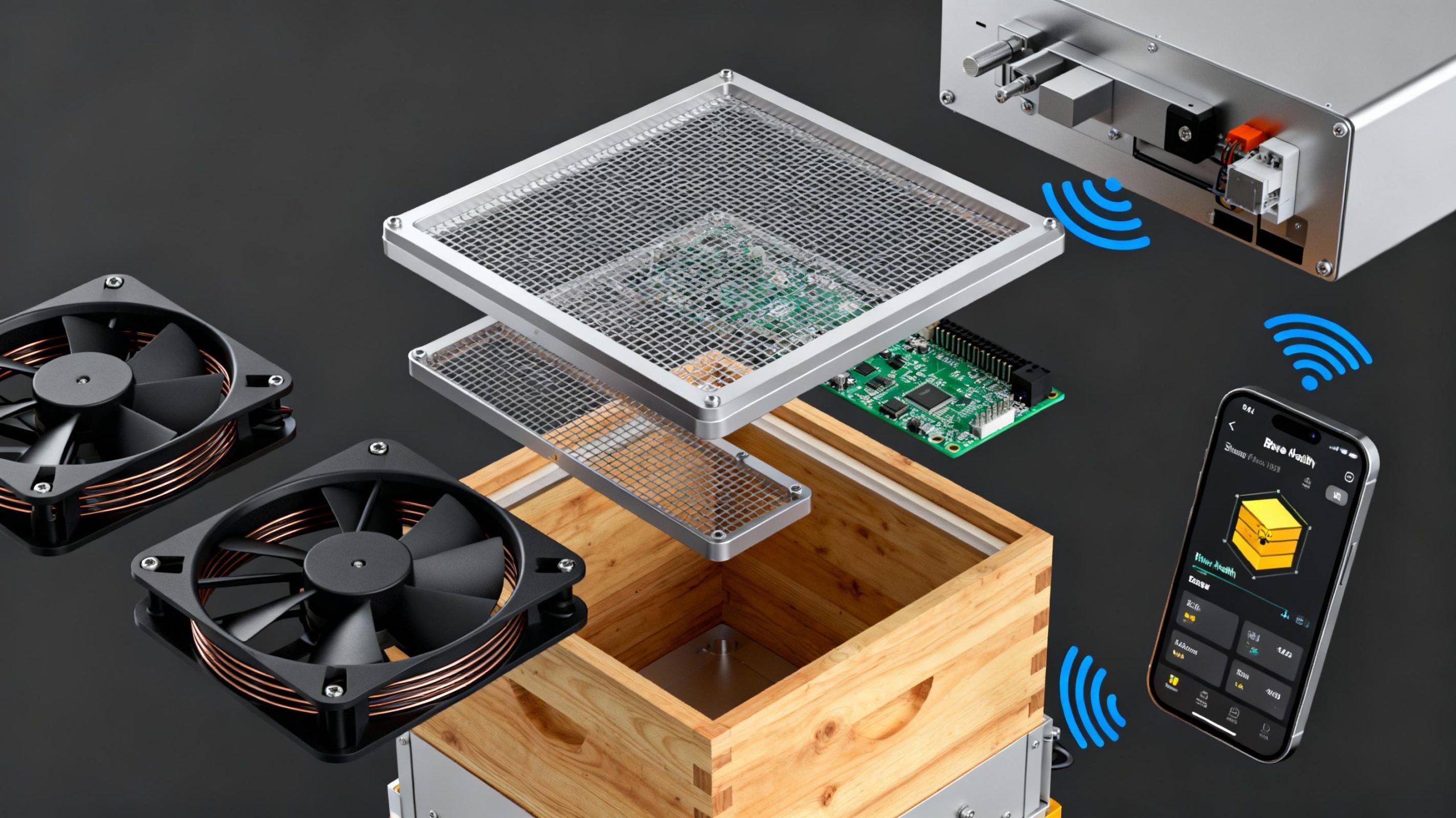
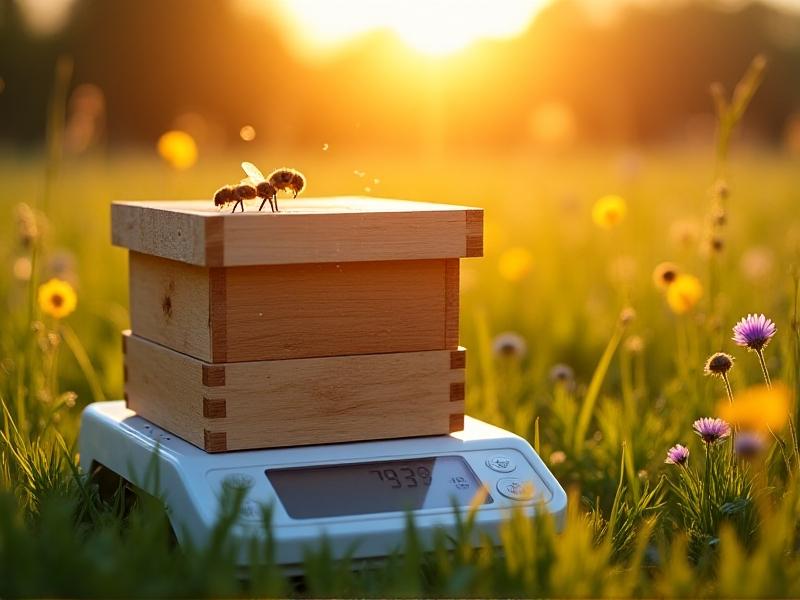
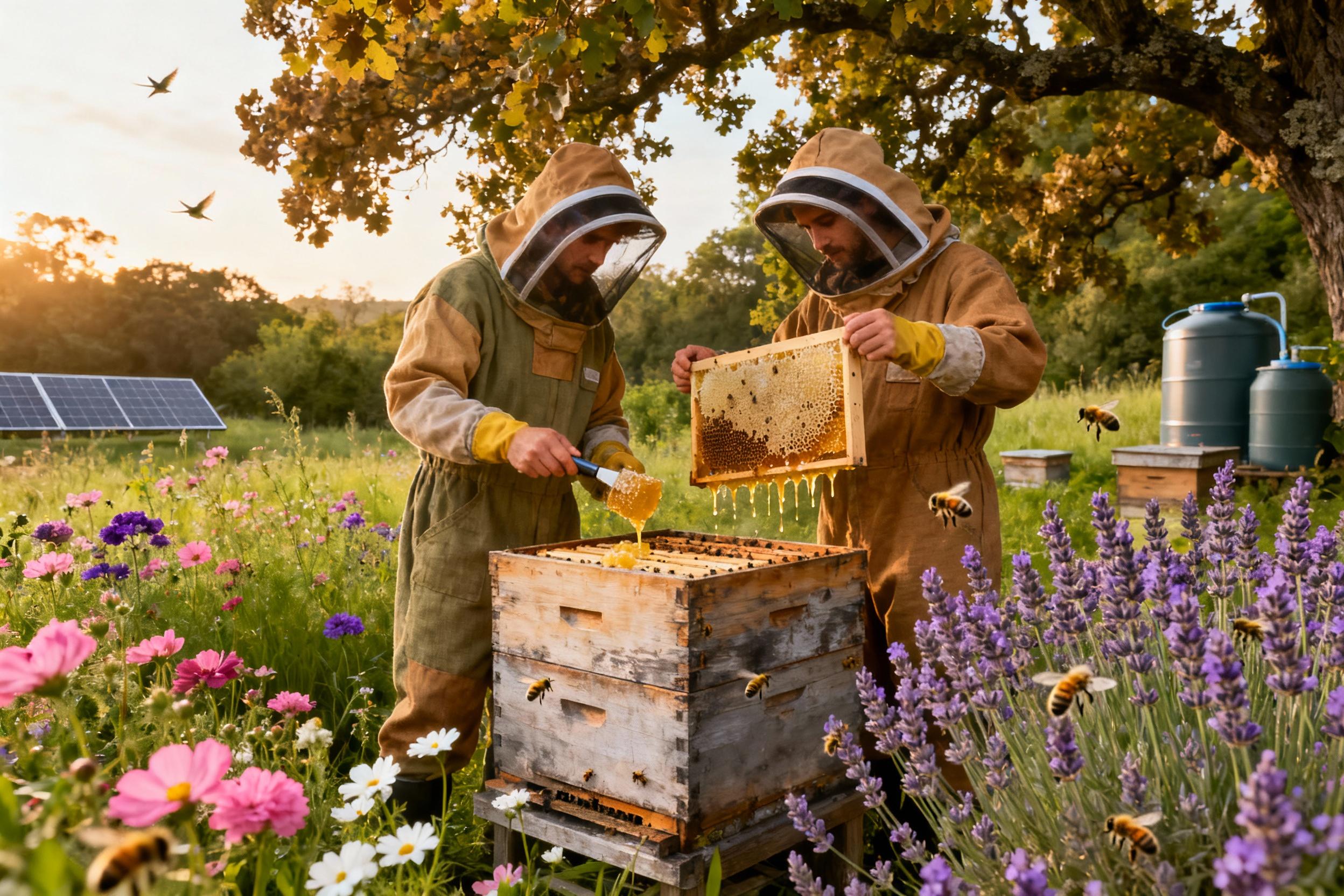
Three elements define these systems: actuators, controllers, and interfaces. Actuators include whisper-quiet axial fans for pushing air and servo motors that adjust vent apertures. High-end models use Peltier tiles for thermoelectric cooling. The brain is a microcontroller like an Arduino or Raspberry Pi, often housed in waterproof casing. Power comes from lithium batteries recharged via solar panels. Beekeepers interact through mobile apps offering real-time graphs, customizable thresholds, and alerts. Notably, Lorawan-enabled units can operate in rural areas without Wi-Fi. Some systems even integrate with hive scales, correlating ventilation patterns with honey yield metrics for continuous optimization.
Transforming Apiaries: Yield Boost and Disease Prevention
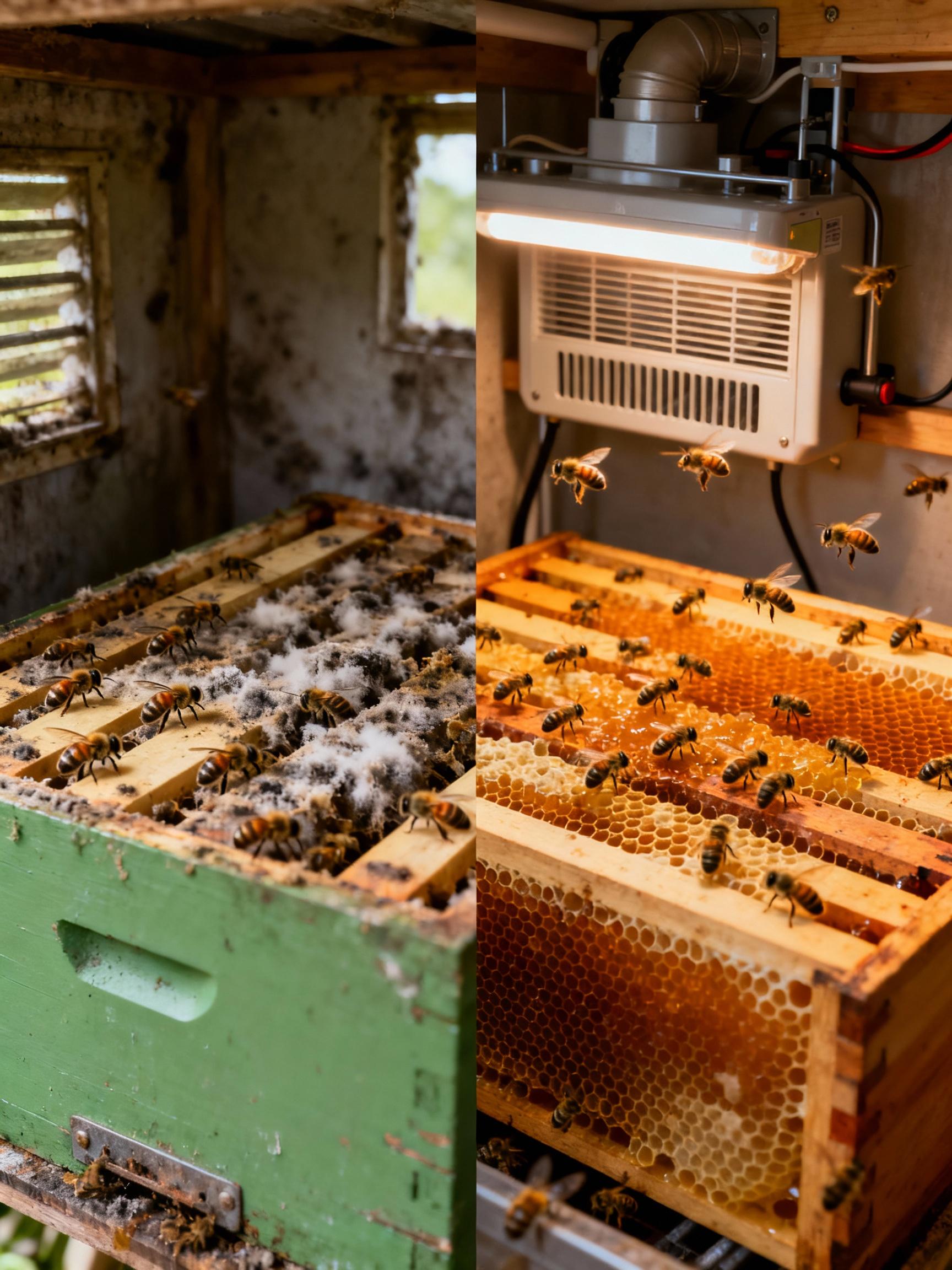
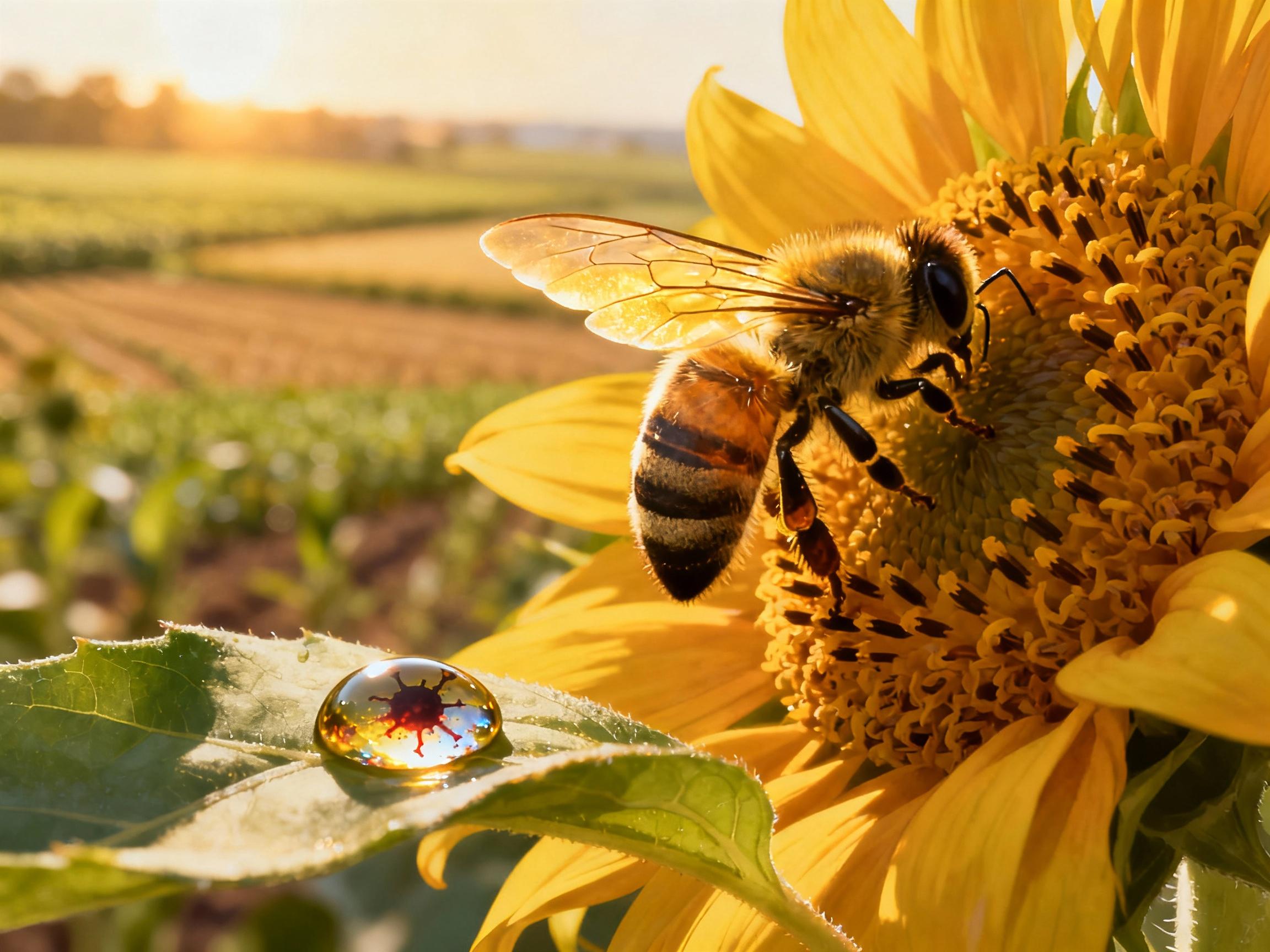
Trials at Cornell University’s Dyce Lab revealed automated systems increased honey yields by 18-22% by maintaining ideal curing humidity (50-60%). Precise temperature control also minimizes swarming triggered by overheating. Crucially, these systems disrupt Varroa mite reproduction cycles—studies show mites struggle to breed in hives with consistent airflow and lower humidity. Beekeepers report fewer cases of dysentery, a condition linked to excess moisture. In Michigan, one commercial operation reduced winter colony losses from 34% to 9% after installing heated ventilation ducts that prevent deadly condensation drips onto bee clusters.
Navigating Costs, Maintenance, and Hive Behavior Impacts
Initial setup costs ($200-$600 per hive) deter small-scale keepers, though DIY kits using Raspberry Pi components can halve expenses. Maintenance demands technical literacy—recalibrating sensors post-hibernation or replacing fan filters clogged with pollen. Critics argue excessive automation might atrophy bees’ innate climate-control behaviors. However, UC Davis researchers found colonies adapt quickly, redirecting ventilation labor toward foraging. Ethical concerns exist around electromagnetic fields (EMF) from wireless systems; while no study proves harm, some organic certifiers ban active ventilators. Strategic placement of Bluetooth transmitters 2-3 feet from hives mitigates this.
Tomorrow’s Tech: AI Swarms and Solar-Powered Solutions
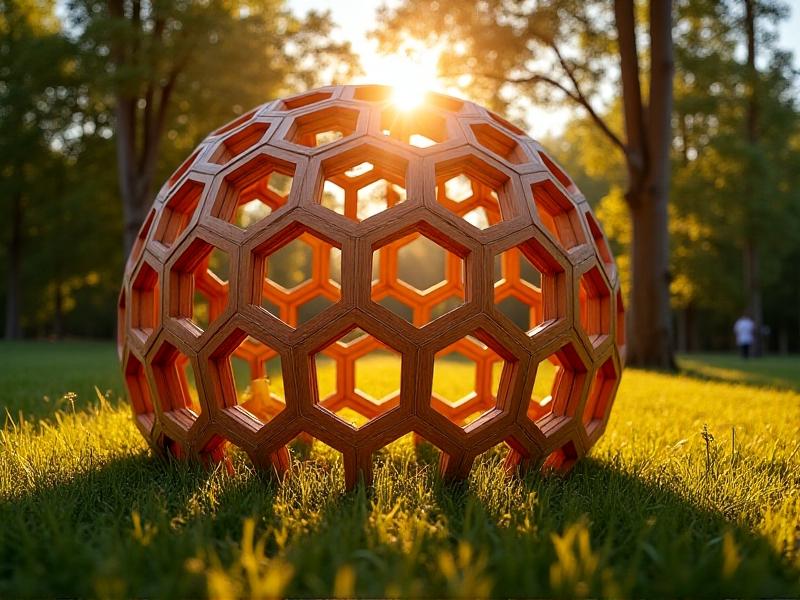
Emerging innovations include federated learning systems where hives share anonymized data to improve regional algorithms. MIT’s Mediated Matter Group prototypes 3D-printed hives with biomimetic ventilation channels that respond passively to temperature shifts. Solar advancements enable perovskite photovoltaic cells printed directly onto hive surfaces, eliminating external panels. Startups like HiveTech are experimenting with piezoelectric ventilation—using bees’ movement vibrations to power airflow. Looking ahead, climate change may make these systems indispensable; Texas A&M models predict automated ventilation could offset 73% of heat-related colony collapse by 2040.
Step-by-Step Installation and Best Practices
Begin by assessing hive type—Langstroth users might install fans in the upper super, while Warre hives benefit from base-mounted vents. Calibrate sensors during mild weather to establish baseline readings. Use food-grade silicone to seal gaps around wires, preventing robber bees from exploiting entry points. Schedule system checks post-nectar flows (bees propolize components) and before winter (battery capacity weakens in cold). For hybrid approaches, retain manual vents as backup. Online communities like BeeTechTalk offer firmware updates and troubleshooting guides—key for maximizing ROI from these smart investments.