
Bluetooth Weigh Scale Integrations
The Evolution of Weigh Scales: From Analog to Bluetooth-Enabled Smart Devices
The journey of weigh scales spans centuries, from rudimentary balance systems to today's precision digital tools. Traditional analog scales relied on mechanical springs or levers, offering basic weight measurements with limited accuracy. The digital revolution of the late 20th century introduced LCD displays and sensors, but the true game-changer arrived with Bluetooth integration. Modern Bluetooth weigh scales sync seamlessly with smartphones, tablets, and fitness apps, transforming raw data into actionable insights. This shift reflects our growing reliance on interconnected health ecosystems, where devices communicate effortlessly to paint a holistic picture of wellness. For instance, stepping onto a smart scale now captures not just weight but metrics like body fat percentage, muscle mass, and even heart rate variability.

Key Features of Bluetooth-Enabled Weigh Scales
Bluetooth weigh scales are packed with features that redefine personal health tracking. Multi-user support allows entire households to share one device while maintaining individual profiles via companion apps. Advanced sensors employ bioelectrical impedance analysis (BIA) to estimate body composition metrics—data once exclusive to clinical settings. Real-time synchronization ensures your morning weigh-in automatically populates in apps like Apple Health or MyFitnessPal, eliminating manual logging. Some models even offer pregnancy tracking modes or pet weight monitoring, adapting to diverse lifestyles. Battery life is another critical design focus, with many devices lasting 6–12 months on a single charge. The marriage of hardware durability and software intelligence makes these scales indispensable for fitness enthusiasts and casual users alike.
Integrating Smart Scales with Fitness and Nutrition Apps
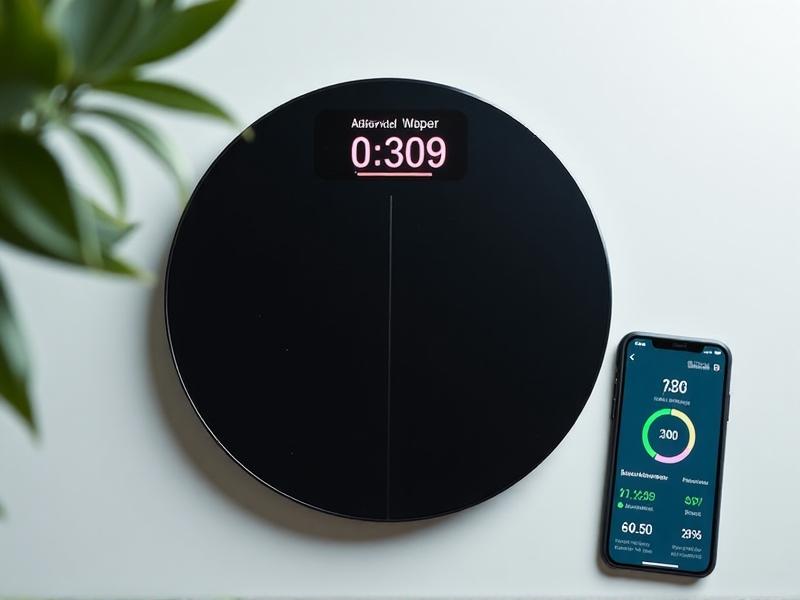
The true power of Bluetooth scales lies in their ability to connect with broader health ecosystems. When paired with apps like Google Fit or Lose It!, weight trends overlay with calorie intake and exercise logs, revealing patterns invisible in isolation. Imagine your scale detecting a weight plateau while your nutrition app simultaneously flags excessive sodium intake—this synergy enables proactive adjustments. For athletes, integration with platforms like Garmin Connect correlates body metrics with workout performance, suggesting optimal recovery periods. API-driven platforms even allow custom integrations; a diabetes management app could combine glucose readings with body fat data to refine insulin recommendations. These connections turn passive data collection into dynamic health storytelling.
Bluetooth Scales in Healthcare: Remote Monitoring and Patient Care
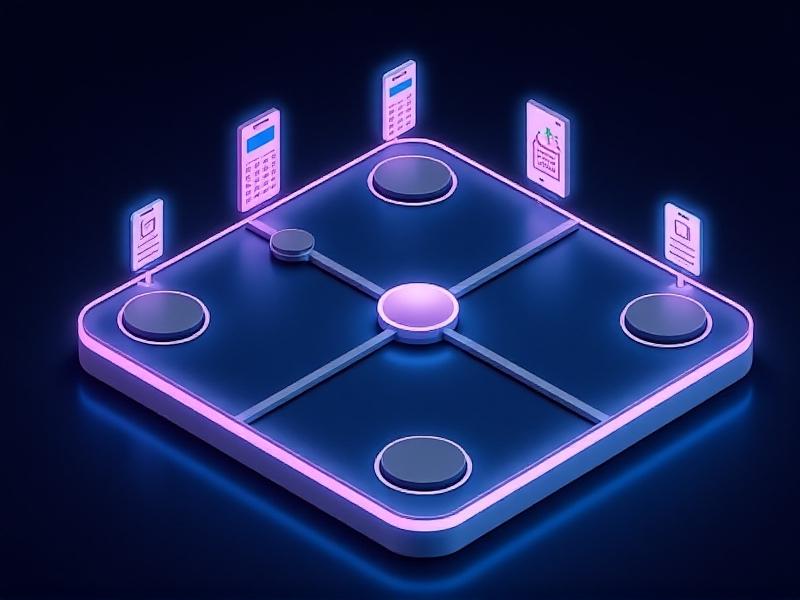
Clinicians are increasingly adopting Bluetooth scales for chronic disease management. A congestive heart failure patient’s daily weight fluctuations, transmitted automatically to their care team, can signal fluid retention before symptoms manifest. Telehealth platforms integrate this data with EHR systems, enabling timely interventions that reduce hospital readmissions. Post-operative recovery programs use smart scales to monitor surgical site swelling through asymmetrical weight distribution analysis. Even in senior living facilities, scales with fall detection alerts paired with Bluetooth nurse call systems enhance resident safety. These clinical applications demonstrate how consumer-grade technology is bridging gaps in preventive care and remote diagnostics.
Overcoming Challenges: Privacy and Data Accuracy Concerns
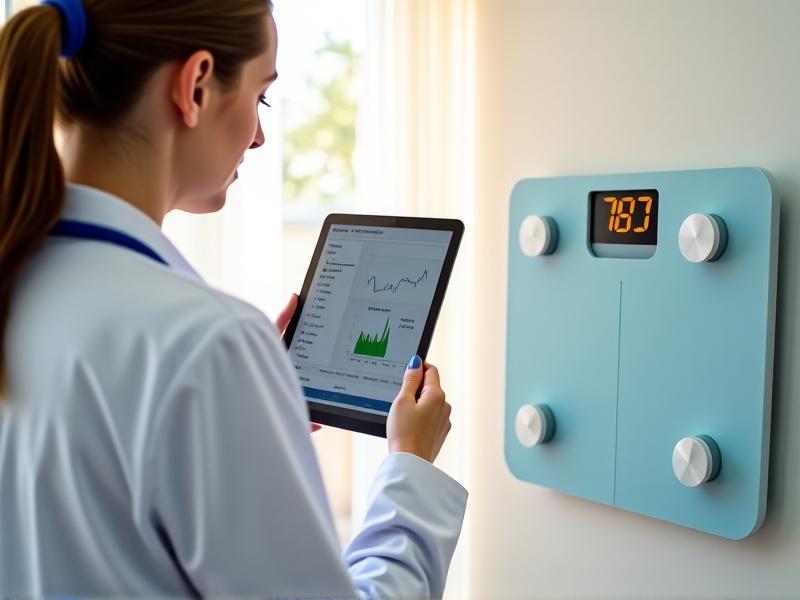
While Bluetooth scales offer immense value, they’re not without hurdles. Data privacy remains paramount—health metrics transmitted wirelessly could be vulnerable to interception if devices lack end-to-end encryption. Reputable manufacturers now advertise HIPAA compliance for medical use cases. Accuracy debates persist, particularly regarding body fat measurements; factors like hydration levels can skew BIA results. However, consistency matters more than absolute precision for tracking trends. Consumers should also beware of "analysis paralysis"—obsessing over daily fluctuations rather than long-term trajectories. Manufacturers counter this with app features that highlight moving averages and provide contextual health insights rather than raw numbers.
Future Trends: AI-Powered Insights and IoT Ecosystems
The next wave of smart scales will leverage machine learning to predict health outcomes. Imagine your scale analyzing six months of data to warn about pre-diabetes risk before blood work shows changes. Integration with smart home ecosystems will automate wellness routines—a sudden weight drop could trigger your fridge to suggest high-protein recipes. We’ll also see material innovations like foldable travel scales with E-ink displays or solar-powered units for off-grid use. As 5G reduces latency, real-time collaborative features might emerge, enabling nutritionists to view client data during virtual consultations instantly. These advancements position Bluetooth scales as central nodes in the expanding universe of personalized health tech.
Choosing the Right Bluetooth Scale: A Buyer’s Guide
Selecting a Bluetooth scale requires evaluating your unique needs. Athletes might prioritize models with segmental body fat analysis for individual limbs, while families appreciate unlimited user profiles. Check app store reviews—a scale is only as good as its software. Waterproof designs suit humid bathrooms, and higher weight capacities accommodate diverse users. For travelers, compact models with TSA-compliance ensure easy packing. Budget options around $30 handle basic syncing, but premium $150+ scales offer ECG capabilities and metabolic age estimations. Remember: the best scale is the one you’ll use consistently, so prioritize interface intuitiveness over superfluous features.