Solar-Powered Hive Monitoring Networks
The Critical Role of Bees in Global Ecosystems
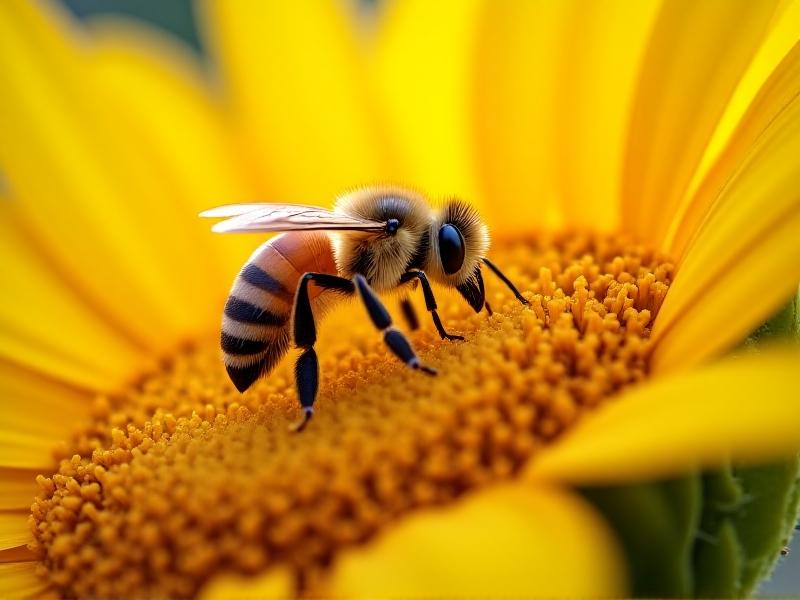
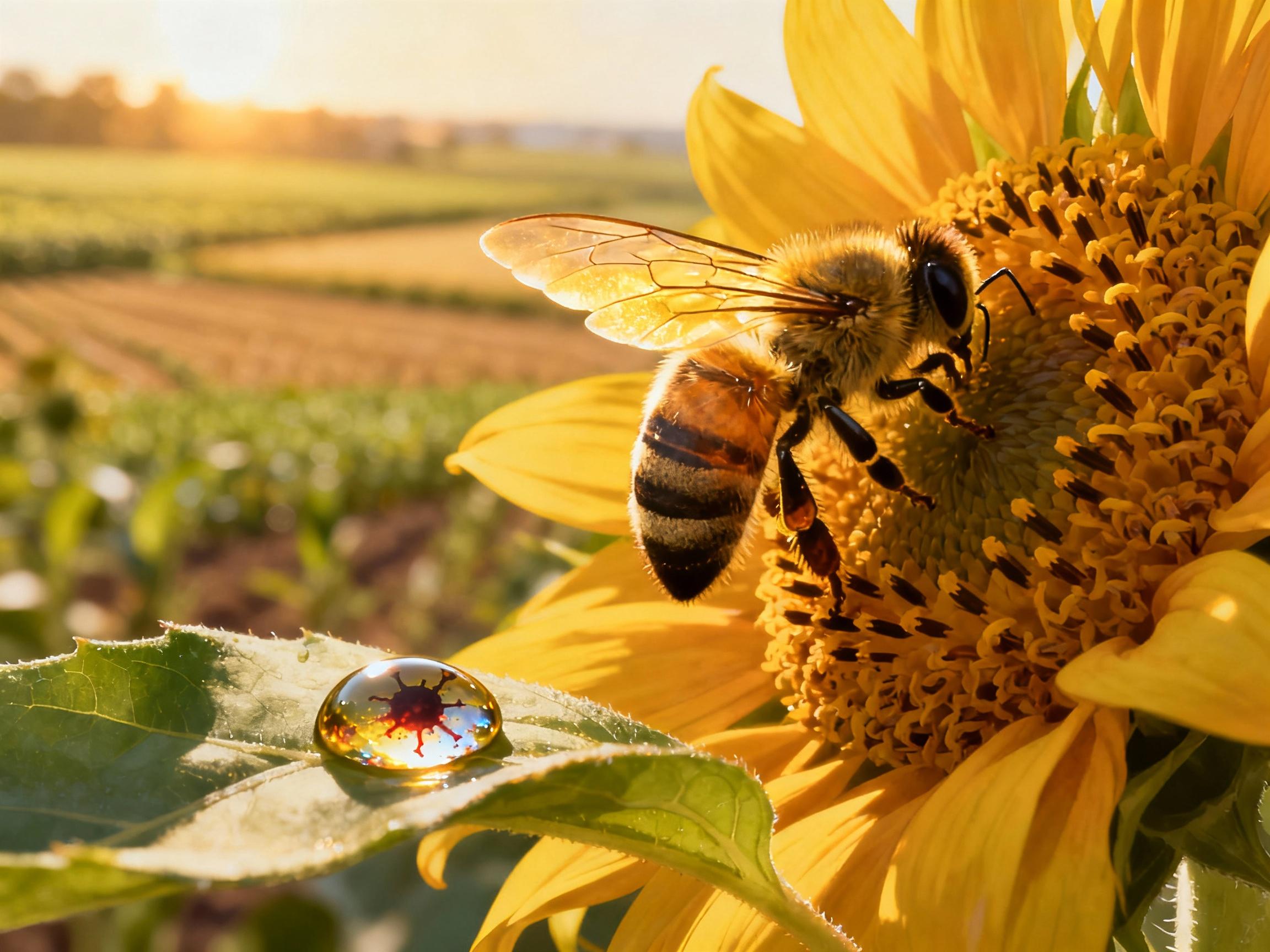
Bees are indispensable pollinators, responsible for fertilizing nearly 75% of flowering plants and 35% of global food crops. From almonds to zucchini, their role in agriculture sustains both ecosystems and economies. However, bee populations face unprecedented threats from habitat loss, pesticides, climate change, and disease. The decline of these vital insects risks destabilizing food chains and reducing crop yields, making their protection a pressing environmental priority. This urgency has spurred innovations in apiculture, including technologies designed to safeguard colonies through closer monitoring and sustainable practices.
The Emergence of Hive Monitoring Technologies
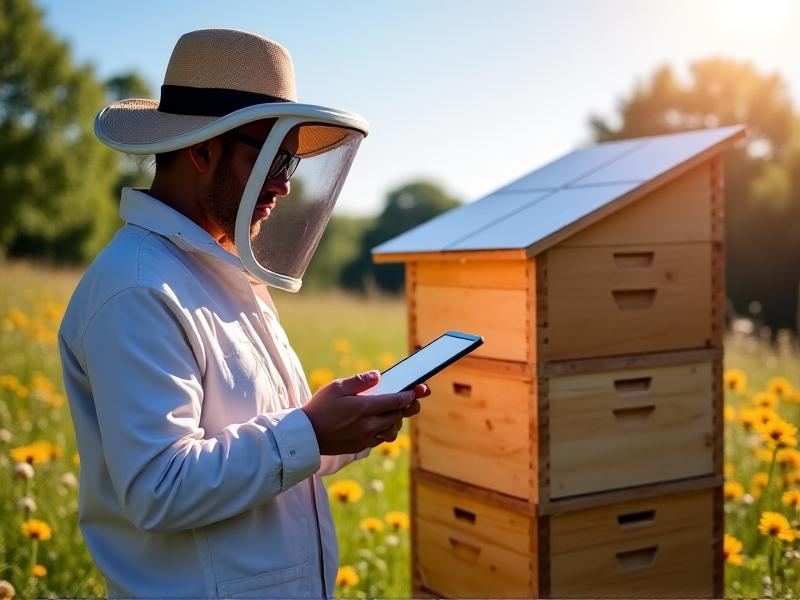
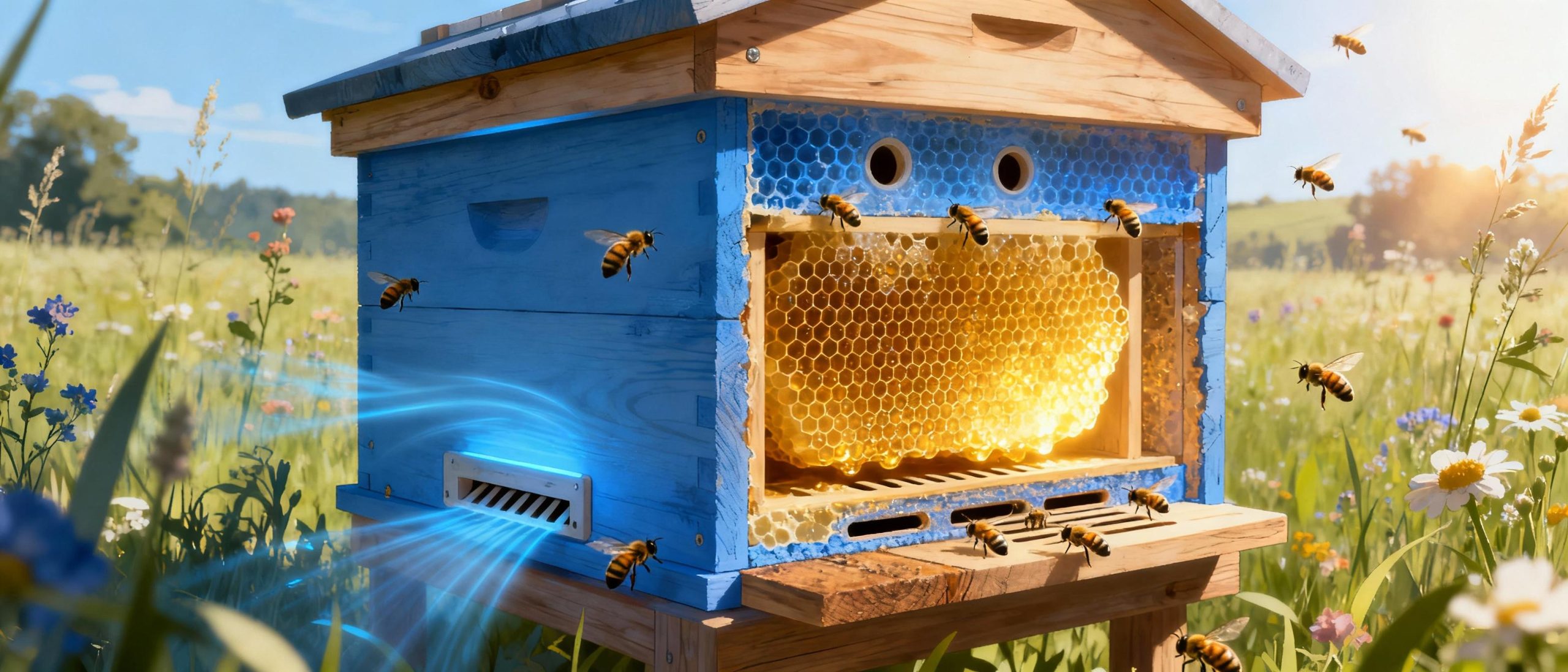
Traditional beekeeping relied on manual inspections, which were time-consuming and often disruptive to colonies. Modern hive monitoring systems leverage IoT sensors, wireless networks, and cloud-based analytics to track hive health in real time. These devices measure variables like internal temperature, humidity, sound frequencies, and even bee movement patterns. By transmitting this data to beekeepers via mobile apps, the technology reduces guesswork and enables early intervention during emergencies such as swarming, infestations, or queen loss. This shift toward data-driven apiculture marks a transformative step in sustainable beekeeping.
Solar Power: A Sustainable Backbone for Remote Monitoring
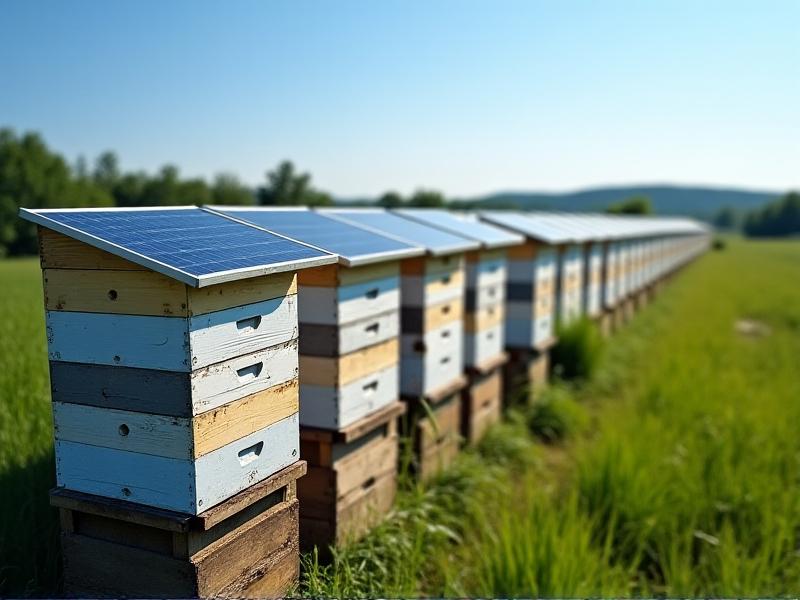
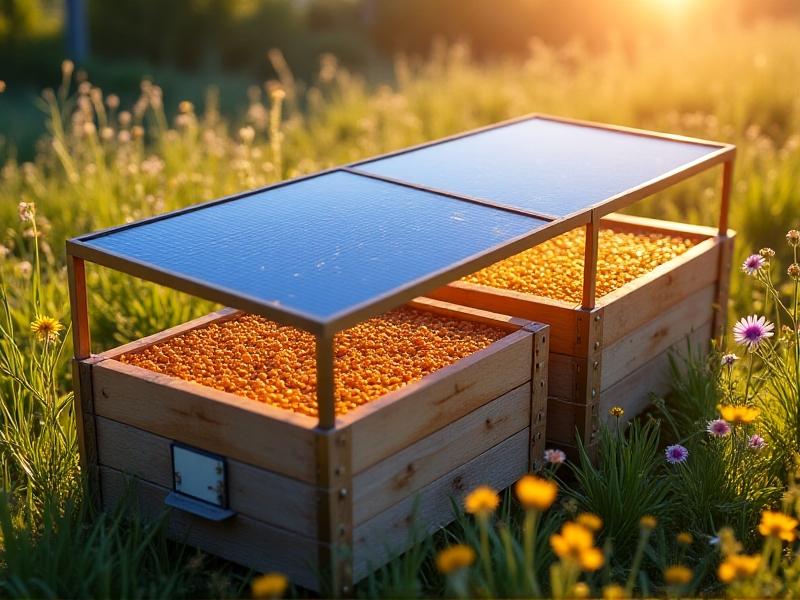
Many apiaries are located in off-grid regions where consistent power access is a challenge. Solar energy provides a reliable solution, enabling continuous operation of monitoring equipment without reliance on fossil fuels. Compact photovoltaic panels, often mounted directly on hive covers, generate enough energy to charge batteries that power sensors and transmitters day and night. This synergy between solar technology and beekeeping not only reduces operational costs but also aligns with broader environmental goals by minimizing carbon footprints. Solar’s scalability makes it ideal for both small-scale hobbyist setups and commercial apiaries.
Inside the Hive: Sensors and Data Collection Mechanisms
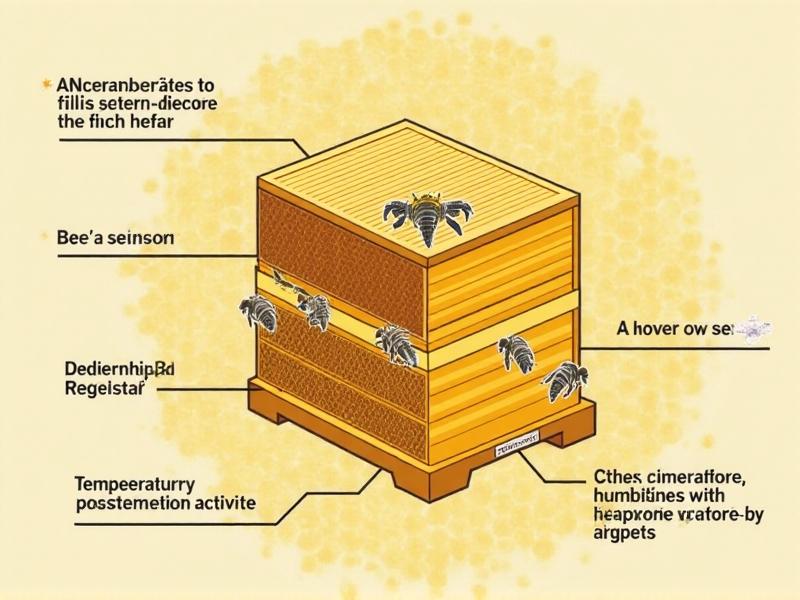
Advanced sensor arrays embedded within hives collect granular data on colony behavior. Temperature sensors detect fluctuations that might indicate disease or overcrowding, while humidity gauges help prevent mold growth in honeycomb structures. Acoustic analyzers capture wing vibrations and buzzing patterns, which algorithms correlate with stressors like predator threats or pesticide exposure. Weight sensors track honey production and foraging activity, offering insights into seasonal resource availability. These tools transform hives into interconnected nodes of a larger network, generating datasets that researchers use to identify broader ecological trends.
Real-Time Data Analytics and Beekeeping Decisions
Data from hive sensors is processed through machine learning models that flag anomalies—for example, a sudden drop in hive weight could signal a swarm event, while unusual sound frequencies might warn of varroa mite infestations. Beekeepers receive instant alerts via SMS or app notifications, allowing them to prioritize inspections or apply treatments proactively. Over time, aggregated data reveals patterns, such as peak pollination periods or climate-related stressors, empowering farmers to optimize hive placement and forage planting. This fusion of precision agriculture and apiculture enhances both productivity and colony resilience.
Environmental and Economic Benefits of Solar-Powered Systems
Solar-powered monitoring reduces the need for frequent site visits, lowering fuel consumption and vehicle emissions. Healthier colonies increase pollination rates, boosting crop yields for nearby farms—a benefit valued at $15 billion annually in the U.S. alone. For beekeepers, early disease detection slashes honeybee mortality rates, safeguarding revenue from honey sales and pollination services. Additionally, solar installations can double as educational tools, demonstrating renewable energy’s practicality to rural communities and inspiring broader adoption of green technologies.
Challenges in Implementing Solar-Powered Monitoring Networks
Despite their promise, these systems face hurdles. Initial costs for sensors and solar infrastructure can deter small-scale beekeepers, though grants and cooperatives are emerging to address this. Extreme weather, such as hail or dust storms, may damage exposed equipment, requiring durable designs. Data security and privacy concerns also arise as networks expand, necessitating encrypted transmissions. Finally, tech literacy gaps in remote areas demand user-friendly interfaces and training programs to ensure equitable access to these tools.
Case Studies: Success Stories from Around the World
In California’s Central Valley, a 500-hive operation using solar-powered monitors reported a 30% reduction in colony losses within two years. In Spain, a cooperative integrated hive data with weather forecasts to align pesticide spraying with low-foraging periods, protecting bees while maintaining crop schedules. Meanwhile, Kenya’s “e-Honey” project equipped rural beekeepers with solar sensors, doubling honey yields and connecting producers directly to international markets via blockchain traceability. These examples underscore the adaptability of solar hive tech across diverse climates and economies.
Future Innovations in Apiary Tech and Renewable Integration
Next-generation systems aim to integrate AI-driven predictive analytics, forecasting colony health trends months in advance. Researchers are experimenting with hive-mounted micro-drones for precision pollination in greenhouse environments. Advances in battery storage, such as graphene-based cells, could enhance solar efficiency during overcast conditions. Additionally, decentralized mesh networks may allow hives to share energy and data peer-to-peer, creating resilient apiary grids independent of traditional infrastructure.
Supporting Bee Conservation Through Technology Adoption
Individuals and organizations can contribute by sponsoring solar monitoring kits for underserved regions or participating in citizen science projects that analyze hive data. Farmers are encouraged to plant pollinator-friendly flora around solar arrays, creating “dual-use” renewable sites. Policy advocacy for pollinator protections and subsidies for green apiculture tech can accelerate adoption. By merging tradition with innovation, we can ensure bees thrive—securing food systems and biodiversity for generations ahead.